Skip to Content
🌐Ship toSelect country

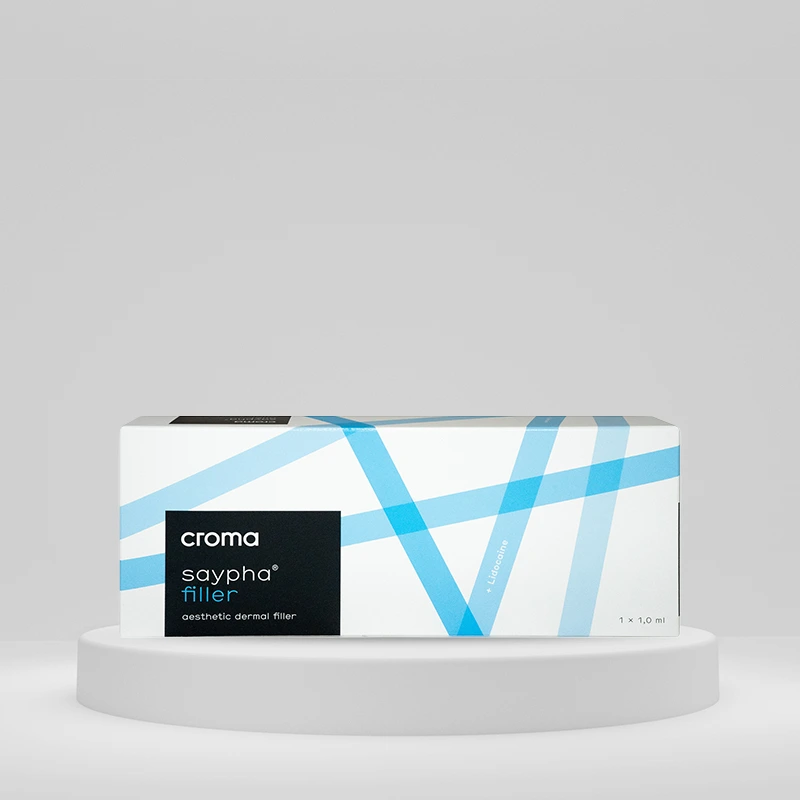
Saypha Filler Lidocaine - 1 x 1,0ml

Saypha Filler Lidocaine is the lidocaine-containing version of Saypha Filler, sharing the same SMART-technology cross-linked HA gel properties. It is indicated to correct moderate to severe nasolabial folds and to increase lip volume, injected into the mid-to-deep dermis and submucosa, with an estimated 9-month duration in the skin — longer than the non-lidocaine version due to formulation differences. For use by licensed, trained medical professionals only.

46.00 € 46.00 €
  • Brand
Terms and Conditions

Shipping: 
DHL EXPRESS SHIPPING (EU) — approx. 2-3 working days
STANDARD SHIPPING (EU) — approx. 7-10 working days
Select your delivery country in the header to check availability for your destination.
Category Fillers Brand Saypha
SKU A4801 Share
Treatment Areas CheeksFaceNasolabial folds
Tags Cross-Linked Hyaluronic AcidHyaluronic AcidLidocaineMedium Wrinkles

Saypha Filler is a cross-linked hyaluronic acid dermal filler formulated for correction of moderate facial wrinkles and folds. Part of the Saypha range from Croma-Pharma, an Austrian manufacturer with over four decades of experience in hyaluronic acid production for the aesthetics market. Its smooth, cohesive gel is designed to integrate well into tissue for natural-looking correction, pre-mixed with lidocaine for injection comfort.

CONCENTRATION

  • Cross-linked hyaluronic acid (Croma-Pharma)
  • Lidocaine hydrochloride

THE PACK INCLUDES

  • 1 x 1.0ml Syringe

STORAGE CONDITIONS

  • Store between 2°C and 25°C
  • Do not freeze

RESULTS & DURATION

Results typically last 6-9 months.

INDICATIONS

  • Moderate facial wrinkles and folds
  • Nasolabial folds

TREATMENT AREAS

  • Nasolabial folds
  • Cheeks
  • Face, general

Saypha Filler is injected into the mid to deep dermis using linear threading or fanning technique.

Results are visible immediately, with final results assessed after 2-4 weeks.

  • Pregnancy or breastfeeding
  • People under the age of 18
  • Active infection or inflammation at the treatment site
  • Known hypersensitivity to hyaluronic acid or lidocaine
  • Patients prone to hypertrophic scarring
  • Autoimmune diseases affecting the skin